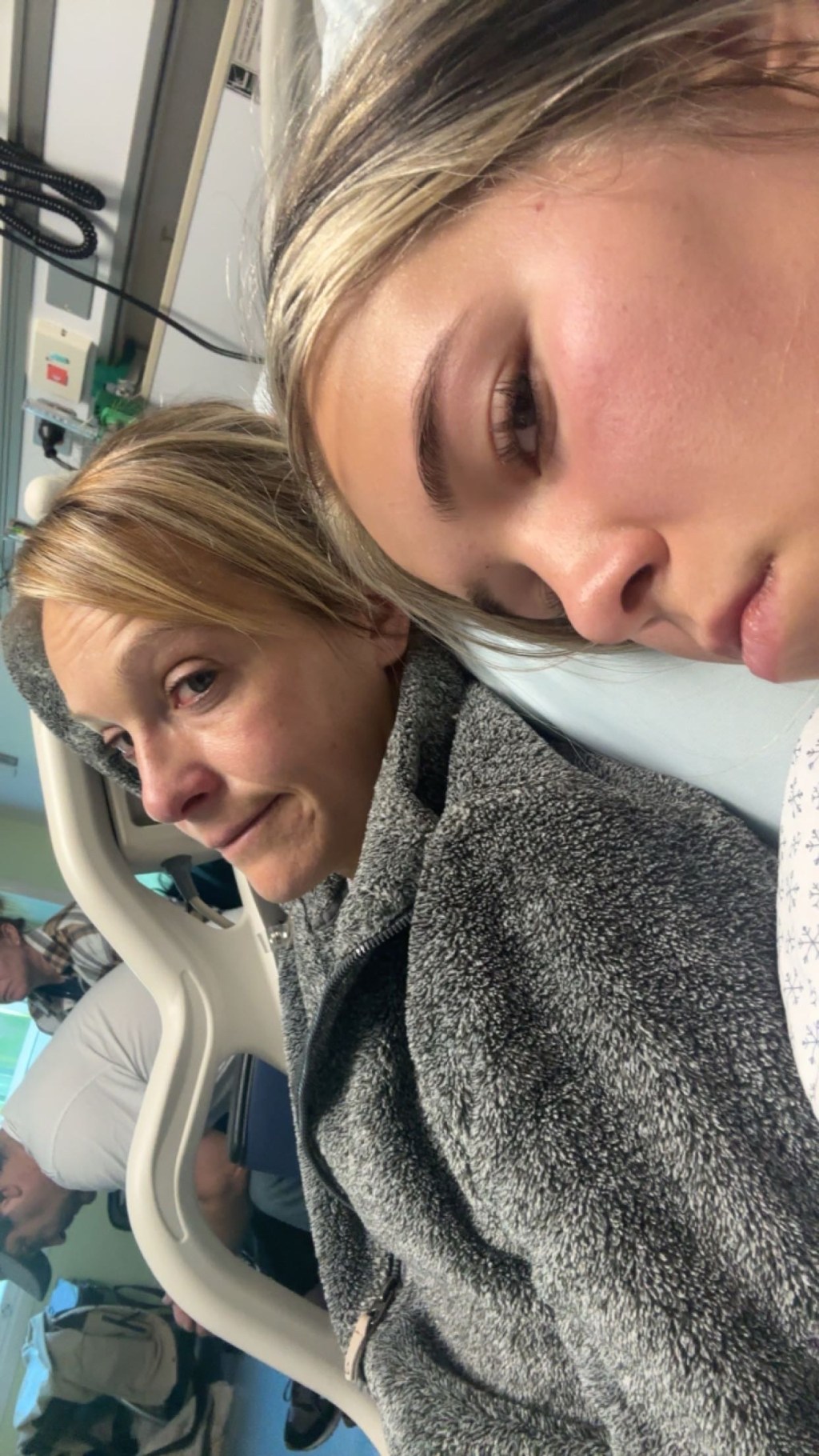
There’s a specific spot on the highway between Salt Lake City, Utah, and Butte, Montana, where I always seem to pull over and fall apart. It’s just past Monida Pass, near the border of Idaho and Montana—a place that’s quietly become my unofficial release valve.
Somehow, I can hold it all together for weeks, sometimes months, while we’re in Salt Lake. I rush from appointment to appointment with Grace, sit for hours in waiting rooms, and live in a strange state of suspended time—just hoping to get to the end of it. But every time I drive that stretch of road back toward home and cross into Montana, the emotional dam breaks.
I cried the day I first heard the word cancer—November 8, 2024. I remember the tears sliding down my face as I numbly passed the news along to family and friends. But I didn’t truly fall apart until a few weeks later, on my first trip home.
I had to pull over. I couldn’t see the road through my tears or breathe through the sobs racking my body. My chest felt like it was collapsing in on itself—my breath shallow, wheezing, desperate. When the tears finally slowed, and the storm of it all had emptied out of me, I whispered into the quiet car, “I can’t do this.”
But what was “this”?

I wasn’t sure what this was at the time. But nearly nine months later, I have a pretty good idea.
This was the fear of the unknown—the paralyzing worry that even letting my mind touch the worst-case scenario might somehow give it power. It was the helplessness of watching my child suffer, day after day, in pain and depression. It was having to initiate big, heavy conversations far earlier than I should have ever had to, so Grace could try to make sense of emotions too big for any teenager to hold.
But this was also witnessing her courage. It was the awe I felt watching her fight—not just for her life, but for her spirit—every single day.
It was the loneliness of being ripped out of routine, living in a city far from home, away from friends and family. It was the guilt I felt each time I silently whispered, I don’t want to be here anymore, as I battled my own anxiety and depression. It was the crushing weight of the responsibilities I’d left behind in Montana—dozens of “have to’s” handed off to family and friends while I tried to keep my head above water.
It was the fear that this chapter might never end. Or worse—that it would end, we’d feel relieved, and then we’d be told it was back and we’d have to do it all over again.
The emotional and mental toll of this journey has been relentless.
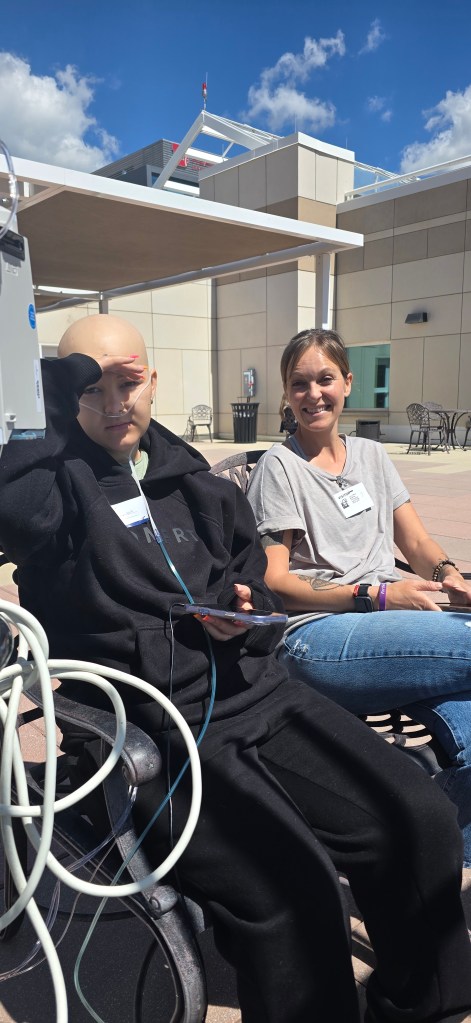
And then, there was the financial fear—the gnawing anxiety that kept me up at night. The bills started arriving in December 2024, before Grace had even started chemotherapy. Fertility preservation treatments weren’t covered by insurance. Some of the providers were out of network, meaning the costs weren’t applied to the deductible and had to be paid out of pocket. The life flight from Butte to Salt Lake City? Deemed “non-essential,” because we could have sent her to Billings instead—even though her oncology team was in Salt Lake.
Every bill became a battle—navigated between phone calls, appointments, and trying to hold it together for Grace. (Ryan and his amazing wife get the credit for the majority of this headache. They have been amazing at handling this through insurance.)
And then there was the question of making money. Maintaining two households for a year while living out of state, trying to work remotely—it was overwhelming. Work all but stopped. Income dried up. Meanwhile, the bills kept coming. Yes, insurance would eventually cover many of them, but getting to that point was a fight in itself.
Brandon and I also own rental properties in Montana, which I manage. During our time in Salt Lake, we had to deal with two evictions. Managing tenants and crises from another state added another layer of stress I hadn’t known I could carry. I had to pass on a lot of my work to Brandon, which prevented him from working his own business to earn income. It seemed like the walls were crashing in on us.
And finally, this was the strain of co-parenting with someone I’ve never had an easy relationship with. I had to learn to regulate my own emotions, navigate years of unresolved pain, and still find a way to prioritize Grace’s needs over old resentments. I had to try to become partners with someone I’d always considered my greatest adversary—for the sake of our daughter.
“I can’t do this. Why is this happening?” I sobbed.
In hindsight, I didn’t have to do it all.
Just when I felt like I couldn’t take another step—when I was cracked wide open and running on fumes—something extraordinary began to happen.
People showed up. The love and support poured in.
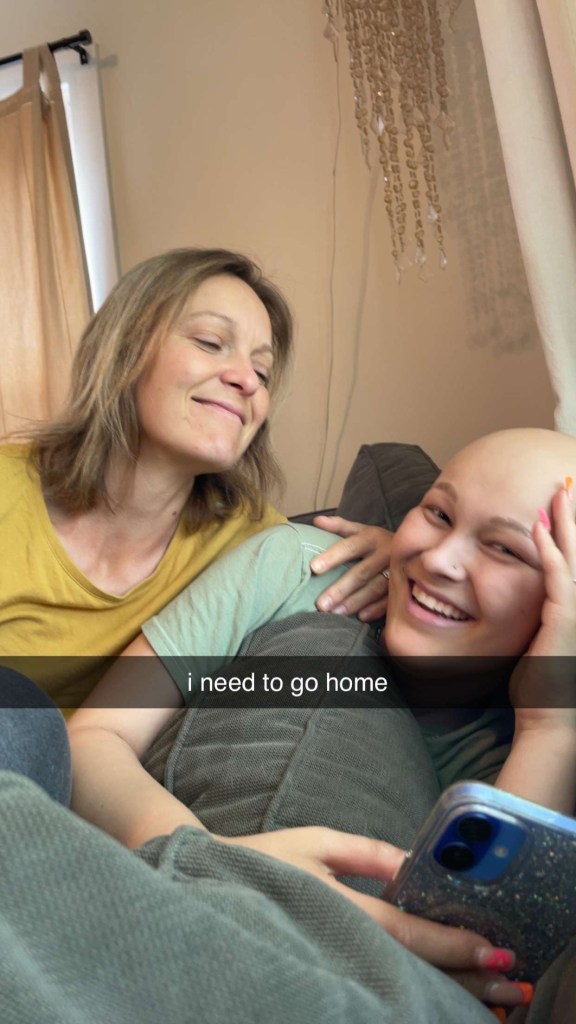
Dozens of messages came through texts and social media. Venmo notifications popped up with coffee cup emojis and notes like, “Just thinking of you.” A Meal Train was organized. Home-cooked meals and baked goods were delivered to our family in Montana. What started as small acts of kindness soon became a wave—a rising tide of support and generosity that caught us in its current and carried us when we could no longer carry ourselves.
Friends, family, neighbors, strangers—we felt them all.
A local “do-gooder” named Deb Dinius organized a fundraiser. The high school launched a Team Grace bracelet campaign. My real estate brokerage, along with Flying S Title and Prosperity Home Mortgage, hosted a Singo fundraiser. A blood drive was held in Grace’s honor. East Middle School organized their own school-wide fundraiser. A GoFundMe page circulated. People gave what they could, and somehow, it was always enough to get us through one more week.
But the most important support I received wasn’t financial—it was love. Simple, heartfelt messages of encouragement. I remember standing in a hospital parking lot one night, reading a message from a woman I hadn’t spoken to in years. She wrote, “You don’t need to respond. I just want you to know we’re praying for Grace every night.” I stood there in the dark, clutching my phone, and wept—not from despair, but from the powerful feeling of being seen. I wasn’t alone.

Meals were made. Bills were covered. Cards arrived in the mail. Care packages showed up with snacks, socks, journals, and handwritten notes. One woman—who had fought cancer herself and started her own nonprofit—sent a box of essentials and a letter filled with hope. Another woman I barely knew sent gas cards with a note that said, “I know this isn’t much, but it’s one less thing to worry about today.” It was everything.
Support didn’t just show up as money or meals. It looked like someone feeding our dogs. Picking up our mail. Shoveling snow off our sidewalk. People helping my husband with his workload, so he could support me. It looked like texts that simply said, “How are you really doing?” and waited for the answer. It looked like co-workers carrying the weight of my business when I couldn’t. Every gesture, every kind word, every prayer carried us forward.
In a time when so much was out of our control, the one thing I could count on was the kindness of others.
This isn’t an all-inclusive list of people by name. But it’s a glimpse into how supported we felt. How lifted. How deeply loved.
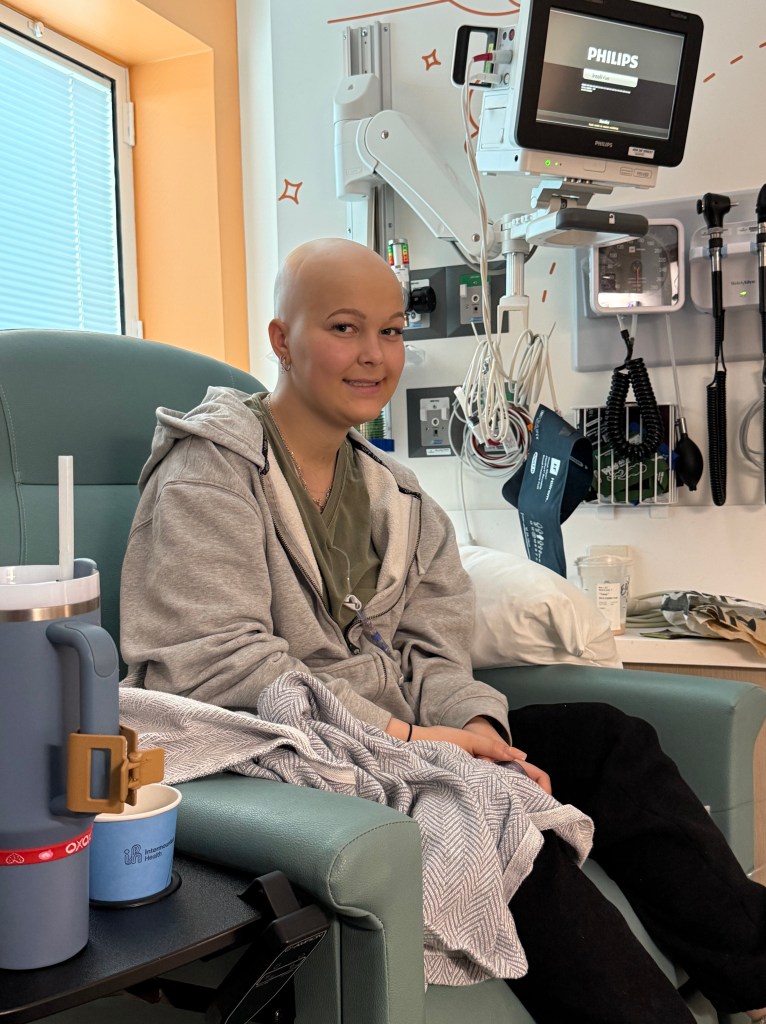
And I was right that day when I said, “I can’t do this.” I couldn’t. But I didn’t have to.
Because I live in a community that shows up when one of its own is struggling. “No one fights alone” wasn’t just a slogan printed on the fundraiser bracelets—it became our truth. And “For the Love of Grace,” the name of the benefit held in her honor, couldn’t have been more fitting. We felt that love in every fiber of our being.
Grace and I couldn’t attend the event in person—she still needs to stay close to her oncology team due to the risk of infection while she’s neutropenic. But we joined virtually on Zoom. We watched as friends, family, and total strangers came up to the screen to wave and speak to us. It warmed my heart to see so many familiar faces, and even more unfamiliar ones who cared enough to come. I wished I could have hugged every person in that room.
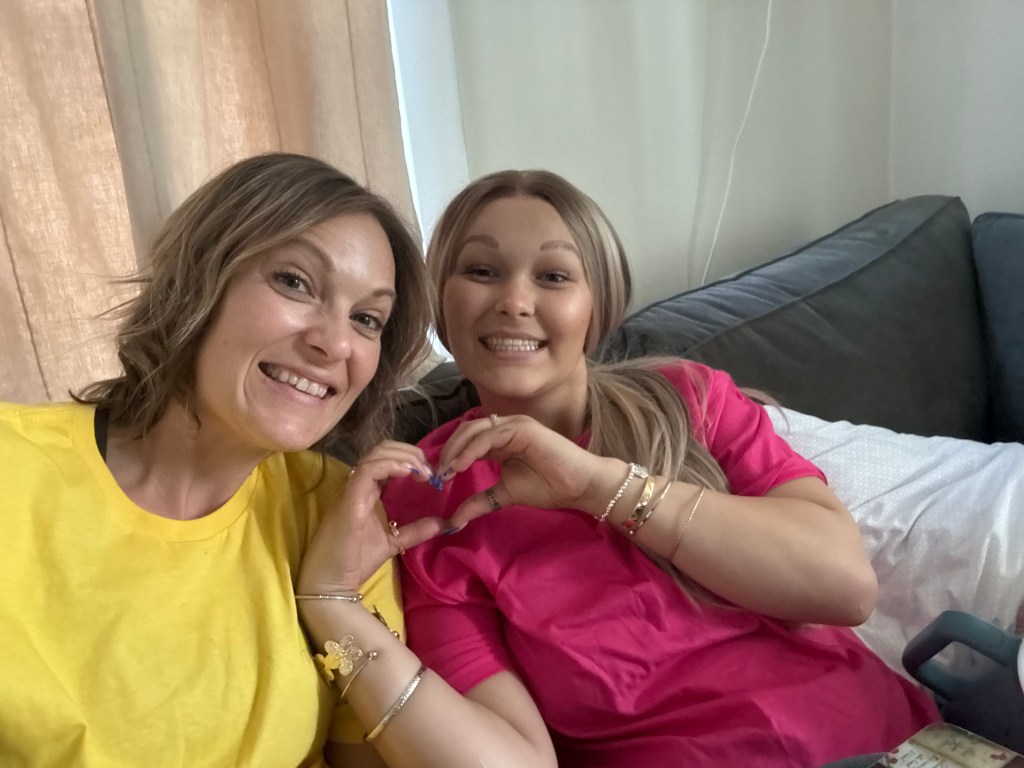
The people who planned, organized, and volunteered for that event poured their time, energy, and hearts into making it happen. And for that, I am beyond grateful.
In the months since Grace’s diagnosis, I’ve learned that strength doesn’t always look like holding it all together. Sometimes, real strength is allowing yourself to unravel in front of others—trusting that you’ll be held, not judged. I used to think accepting help was a sign of weakness, but now I see it for what it truly is: an act of courage and connection. Letting people in—letting them love you through the darkest days—is not a burden. It’s a gift. One I will never take for granted again.
We are still walking this road, but we are not walking it alone. And that, more than anything, is what’s carried us through these turbulent waters.
Thank you!


 After the Before
Leave a comment